
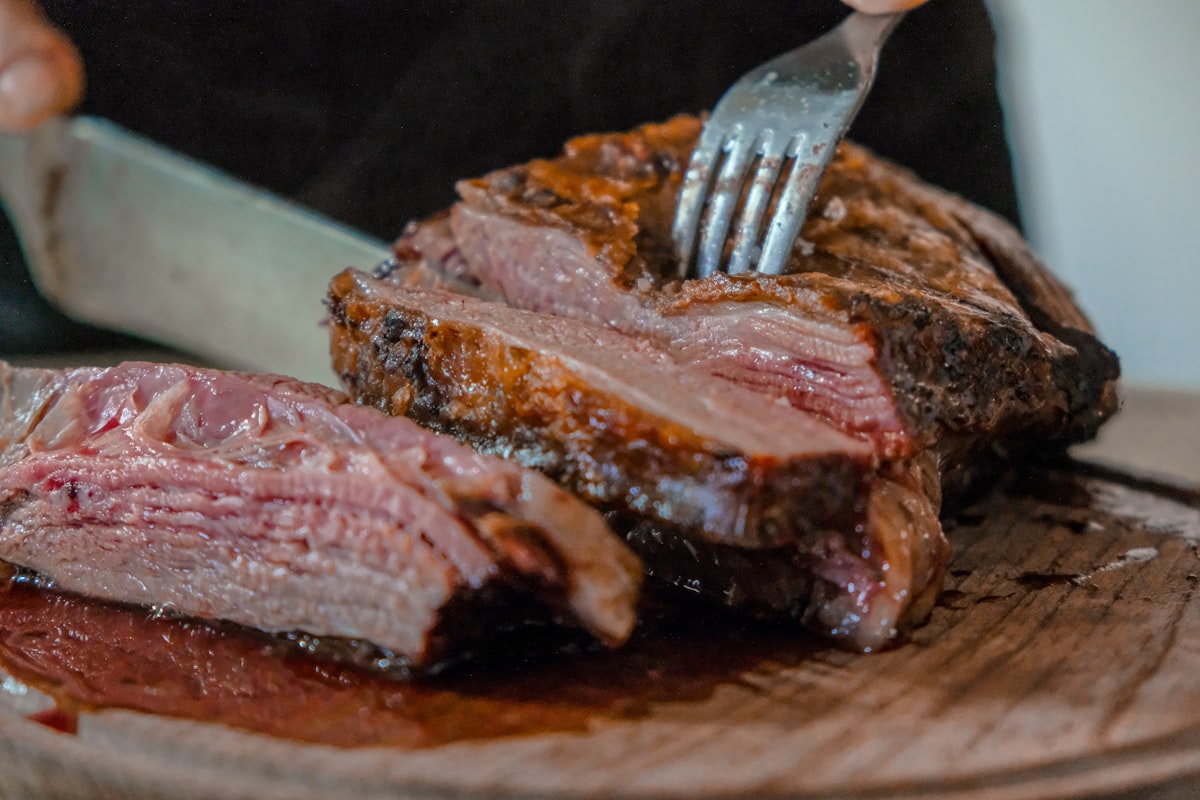
Why Cheap Cuts Taste Better (The Science Explained)
Here's the counterintuitive truth about meat: the cheapest cuts are often the most flavorful. Expensive cuts like tenderloin and ribeye are prized for tenderness, but tenderness comes from muscle inactivity — and inactive muscles have less flavor.
The cheap cuts — chuck, shank, brisket, oxtail — come from muscles that work hard. Hard-working muscles develop more myoglobin (the protein that gives meat its flavor and red color), more collagen (which converts to gelatin during slow cooking, creating silky sauces), and more intramuscular fat (which carries flavor compounds).
The catch: these cuts require the right cooking method. Low and slow is the key. Give a cheap cut 3–4 hours in a Dutch oven or slow cooker, and it will outperform a $40 steak.
The 15 Cheapest Cuts Ranked by Value
1. Chicken Thighs (Bone-In, Skin-On)
Average price: $1.50–$2.50/lb
Flavor profile: Rich, juicy, deeply savory
Chicken thighs are the single best value in the meat case. They're more flavorful than breasts, nearly impossible to overcook, and cost 40–60% less. The bone adds flavor; the skin crisps beautifully.
Best methods: Braised, roasted, grilled, slow-cooked
Signature recipe: Braised chicken thighs with white beans and kale — $1.20/serving
2. Pork Shoulder (Boston Butt)
Average price: $1.50–$2.50/lb
Flavor profile: Rich, fatty, deeply porky
A 4-lb pork shoulder costs $6–$10 and feeds 8–10 people. Slow-cook it for 8 hours and it falls apart into the most flavorful pulled pork imaginable. The high fat content keeps it moist through long cooking.
Best methods: Slow cooker, Dutch oven, smoker
Signature recipe: 8-hour pulled pork with apple cider vinegar sauce — $0.80/serving
3. Beef Chuck Roast
Average price: $4–$6/lb
Flavor profile: Beefy, rich, tender after braising
Chuck comes from the shoulder — a heavily worked muscle that's full of connective tissue. That connective tissue is the key: it converts to gelatin during braising, creating an impossibly silky sauce and fork-tender meat.
Best methods: Braised, slow cooker, pot roast
Signature recipe: Classic pot roast with root vegetables — $2.50/serving
4. Pork Ribs (Spare Ribs)
Average price: $2–$3.50/lb
Flavor profile: Smoky, fatty, deeply satisfying
Spare ribs are cheaper than baby back ribs and more flavorful. The higher fat content means they stay moist during long cooking. A rack of spare ribs ($8–$12) feeds 3–4 people generously.
Best methods: Slow cooker + broil, oven-baked, smoked
Signature recipe: 3-2-1 oven ribs with homemade dry rub — $3.00/serving
5. Chicken Drumsticks
Average price: $1.00–$1.80/lb
Flavor profile: Juicy, slightly gamey, crispy skin
Drumsticks are even cheaper than thighs and equally forgiving. They're perfect for batch cooking — roast 12 at once and use them throughout the week.
Best methods: Roasted, braised, grilled
Signature recipe: Honey-garlic baked drumsticks — $0.60/serving
6. Beef Brisket (Flat Cut)
Average price: $4–$7/lb
Flavor profile: Intensely beefy, smoky, melt-in-mouth
Brisket is the crown jewel of budget cuts. It requires patience (6–12 hours of cooking) but rewards you with the most flavorful beef you've ever eaten. A 3-lb flat cut ($12–$21) feeds 6–8 people.
Best methods: Slow cooker, oven-braised, smoked
Signature recipe: Slow-cooker brisket with caramelized onions — $2.50/serving
7. Pork Neck Bones
Average price: $1.00–$1.50/lb
Flavor profile: Rich, gelatinous, deeply savory
Neck bones are the secret weapon of budget cooks. They're mostly bone and connective tissue, which means they're cheap — but they make the most extraordinary stock and braised dishes. Southern red beans and rice with neck bones is one of the greatest budget meals in American cooking.
Best methods: Braised, simmered for stock, slow cooker
Signature recipe: Southern red beans with neck bones — $0.70/serving
8. Beef Short Ribs
Average price: $5–$8/lb
Flavor profile: Intensely beefy, fatty, luxurious
Short ribs are technically expensive per pound, but one pound of short ribs (2–3 ribs) is a generous serving because of the bone weight. Braised short ribs are restaurant-quality at home.
Best methods: Braised in red wine, slow cooker
Signature recipe: Red wine braised short ribs — $4.00/serving
9. Chicken Wings
Average price: $2–$4/lb
Flavor profile: Crispy, rich, finger-food perfection
Wings are often on sale and freeze beautifully. They're mostly skin and bone, which means high flavor per dollar. Bake them at high heat for crispy skin without frying.
Best methods: Baked at high heat, air-fried, grilled
Signature recipe: Crispy oven wings with buffalo sauce — $1.50/serving
10. Ground Beef (80/20)
Average price: $4–$6/lb
Flavor profile: Versatile, beefy, satisfying
Ground beef is the workhorse of budget cooking. The 80/20 blend (80% lean, 20% fat) is significantly cheaper than 90/10 and far more flavorful. The fat is where the flavor lives.
Best methods: Pan-fried, baked in meatballs, slow-cooked in sauce
Signature recipe: Bolognese sauce (serves 8) — $1.20/serving
11. Pork Belly
Average price: $3–$5/lb
Flavor profile: Fatty, rich, crispy when rendered
Pork belly has become trendy in restaurants, but it's still cheap at Asian grocery stores. Slow-roast it for 2 hours and finish under the broiler for crackling skin.
Best methods: Slow-roasted, braised, cured (homemade bacon)
Signature recipe: Crispy roasted pork belly with bok choy — $2.00/serving
12. Oxtail
Average price: $3–$6/lb
Flavor profile: Deeply beefy, gelatinous, complex
Oxtail was once considered a throwaway cut. It's now trendy in restaurants but still affordable at ethnic grocery stores. The collagen-rich meat creates an extraordinary braising liquid.
Best methods: Braised, slow cooker, stew
Signature recipe: Jamaican oxtail stew — $3.50/serving
13. Pork Hocks (Ham Hocks)
Average price: $1.50–$2.50/lb
Flavor profile: Smoky, salty, deeply savory
Ham hocks are mostly bone and skin, but they impart extraordinary flavor to beans, greens, and soups. One hock ($2–$4) can flavor a pot of beans that feeds 6–8 people.
Best methods: Simmered with beans, braised, slow cooker
Signature recipe: Ham hock and white bean soup — $0.80/serving
14. Chicken Backs and Carcasses
Average price: $0.50–$1.00/lb (often free from whole chicken)
Flavor profile: Pure stock gold
Chicken backs and carcasses are the foundation of homemade stock. Many butchers give them away or sell them for almost nothing. A pot of homemade stock from backs costs $1–$2 and replaces $15–$20 worth of store-bought stock.
Best methods: Simmered for stock only
Signature recipe: Rich chicken stock (makes 8–10 cups) — $0.15/cup
15. Beef Liver
Average price: $2–$4/lb
Flavor profile: Intense, mineral, rich
Liver is the most nutritionally dense food on this list — packed with iron, B12, vitamin A, and folate. It's also one of the cheapest. The key to good liver is not overcooking it (medium, slightly pink inside) and pairing it with caramelized onions to balance the intensity.
Best methods: Pan-fried quickly, never overcooked
Signature recipe: Liver and caramelized onions — $1.50/serving
The Budget Meat Buying Strategy
Buy whole, break down yourself: A whole chicken costs $1.50–$2.00/lb. Chicken breasts alone cost $4–$6/lb. Learning to break down a whole chicken takes 10 minutes and saves $3–$4 per bird.
Buy in bulk and freeze: When pork shoulder goes on sale for $1.29/lb, buy 10 lbs. Divide into 2-lb portions, vacuum seal or double-wrap in plastic, and freeze for up to 6 months.
Shop ethnic grocery stores: Asian, Latin, and African grocery stores carry cuts that mainstream supermarkets don't stock (oxtail, neck bones, pork belly) at significantly lower prices.
Ask the butcher: Many supermarket butchers will sell you soup bones, marrow bones, and trim at very low prices — these items often aren't displayed but are available on request.
Frequently Asked Questions
Q: Are cheap cuts of meat safe to eat?
A: Absolutely. All cuts of meat from USDA-inspected facilities are safe. The "cheap" designation refers to market demand, not quality or safety.
Q: Do I need special equipment to cook tough cuts?
A: A heavy pot (Dutch oven) or slow cooker is ideal. A regular pot with a tight-fitting lid works fine for braising. The key is low heat and time, not special equipment.
Q: How long can I store raw meat in the freezer?
A: Ground meat: 3–4 months. Whole cuts: 6–12 months. For best quality, use within 3–4 months. Always thaw in the refrigerator, never at room temperature.
Q: What's the difference between braising and slow cooking?
A: Braising uses a Dutch oven in the oven (325°F) with the meat partially submerged in liquid. Slow cooking uses an electric slow cooker at low heat (200°F) for longer periods. Both methods work well for tough cuts.
Q: Can I use these cuts in a pressure cooker or Instant Pot?
A: Yes — this is actually the fastest method. Chuck roast that takes 4 hours braising takes 60–75 minutes in an Instant Pot. Dried beans that take 90 minutes simmering take 25–30 minutes under pressure.
Q: How do I know when a braised cut is done?
A: It should be fork-tender — meaning you can easily pull it apart with two forks. If it's still tough, it needs more time. Unlike steaks, braised cuts cannot be overcooked (within reason).
Q: Where's the best place to buy cheap cuts?
A: Ethnic grocery stores (Asian, Latin, Caribbean) consistently offer the best prices on budget cuts. Warehouse clubs (Costco, Sam's) are excellent for bulk purchases of common cuts.
Q: What's the single best cheap cut for a beginner?
A: Bone-in chicken thighs. They're forgiving, flavorful, widely available, and work in dozens of recipes. Start there and build your repertoire.